October 15, 2025
Articles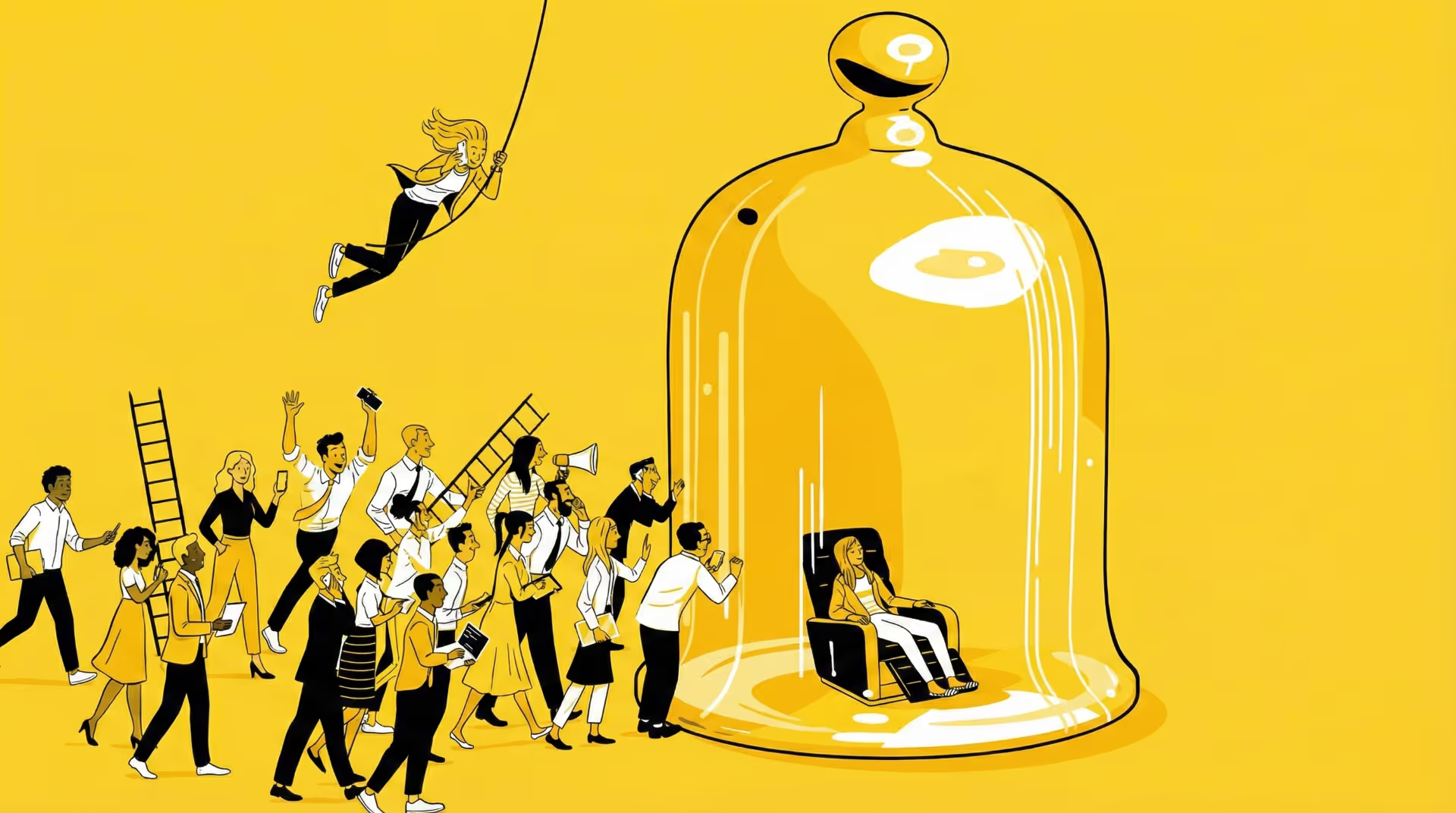
In public policy, the pace rarely slows. There’s always another memo to draft, another stakeholder to brief, another crisis to anticipate. For many of us, “taking a break” means a hurried coffee between meetings or a weekend trip that ends with emails on the way back. I used to believe that was enough, until I realised it wasn’t.
Over time, I noticed that even after the most productive stretches at work, my thinking began to lose its edge. My writing became more functional, less reflective. My responses sharper, but not necessarily wiser. That’s when I started a small experiment, one that I’ve now been doing for the last few years.
Every year, I take around seven to ten days off where I completely disconnect from the city, the constant buzz of meetings, and even policy chatter. I park myself in a remote place, usually somewhere close to a river, surrounded by trees, where the phone signal struggles to reach. No laptops, no news apps, no “quick policy reads.” Just nature, unhurried mornings, and books that have nothing to do with my work.
Those days are my conscious downtime, a personal retreat to reset. What starts as rest quickly turns into reflection. Somewhere between long walks and slow breakfasts, I begin to see policy challenges I’ve been grappling with from entirely new angles. Nature has its own version of policy design - patterns, feedback loops, cause and effect, and being amidst it restores a kind of mental elasticity that everyday work quietly erodes.
But what I’ve come to value even more during these breaks is reconnection with family. The very people who quietly absorb the unpredictability and intensity of our work. In the rush of meetings and deadlines, it’s easy for relationships to become transactional: short check-ins, postponed plans, half-attentive dinners. During my downtime, I slow down enough to listen, really listen, to my family. Their stories, their silences, their laughter.
That reconnection does something subtle yet powerful. It rebalances perspective. It reminds me that policy work is ultimately about improving lives and that empathy begins at home. You can’t truly understand the value of social cohesion or well-being indicators if you’ve let your own relationships run on autopilot.
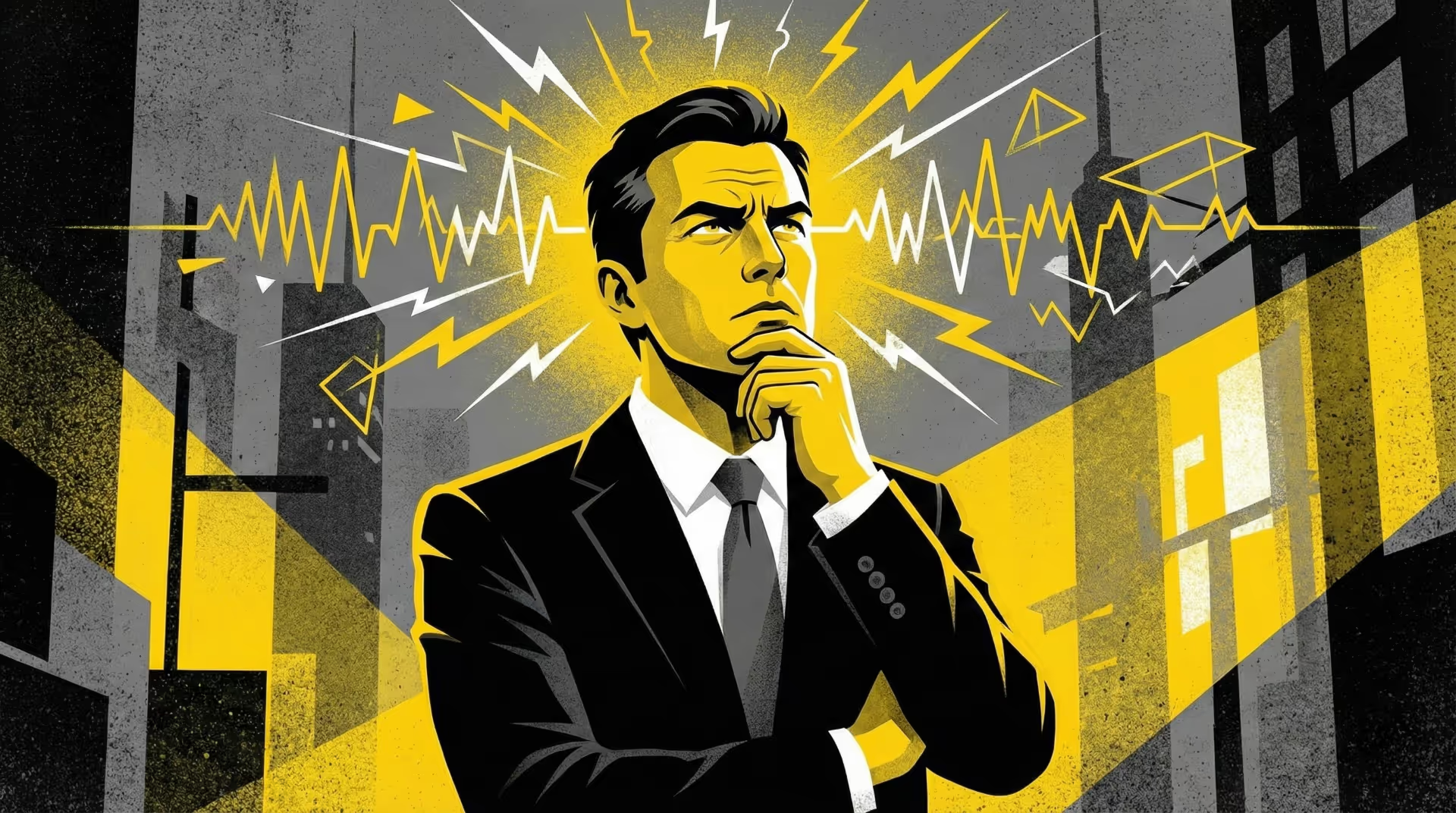
Policy work, by design, is cognitively demanding. We are constantly navigating ambiguity, aligning incentives, managing trade-offs. That creates what I often call "cognitive load debt" - the invisible fatigue of thinking too much, too deeply, for too long. If left unchecked, it narrows what I call our policy bandwidth - our ability to think laterally, empathise with diverse viewpoints, and anticipate unintended consequences.
The irony is that many policy professionals treat rest as a reward, not a requirement. But in truth, downtime is a form of strategic recovery. It allows our minds to reset from decision fatigue, the subtle wear and tear that comes from constant judgement calls. Just as economies require cyclical cooling periods to maintain stability, our minds too need pauses to maintain clarity.
Taking a deliberate break also forces you to detach from the identity trap of being “always on.” In policy roles, we are conditioned to respond to crises, to stakeholders, to opportunities. But we rarely learn to pause and listen to ourselves, to silence, and to the people who stand quietly beside us.
Every time I return from my annual retreat, I find my approach sharper but calmer. My writing flows easier. My problem framing becomes cleaner. My relationships stronger. Most importantly, I regain the curiosity and compassion that policy work sometimes drains out of you.
So the next time you block your calendar for “time off,” don’t fill it with errands or “catching up.” Let it breathe. Step away from the noise, reconnect with those who matter, and let your thoughts find their own pace again. Because sometimes, the most valuable contribution you can make as a policy professional is not what you deliver, but how grounded and renewed you are when you return.
(The opinions expressed in this article are solely my own and do not reflect the views of my employer or any affiliated organization.)