October 2, 2025
Articles
I am often reached out to by students keen to pursue public policy as a career. Their most common question is: what skills are really required to succeed in this space? While technical knowledge, research ability, and communication skills are essential, I have found that the less obvious, intuitive strengths often make the biggest difference.
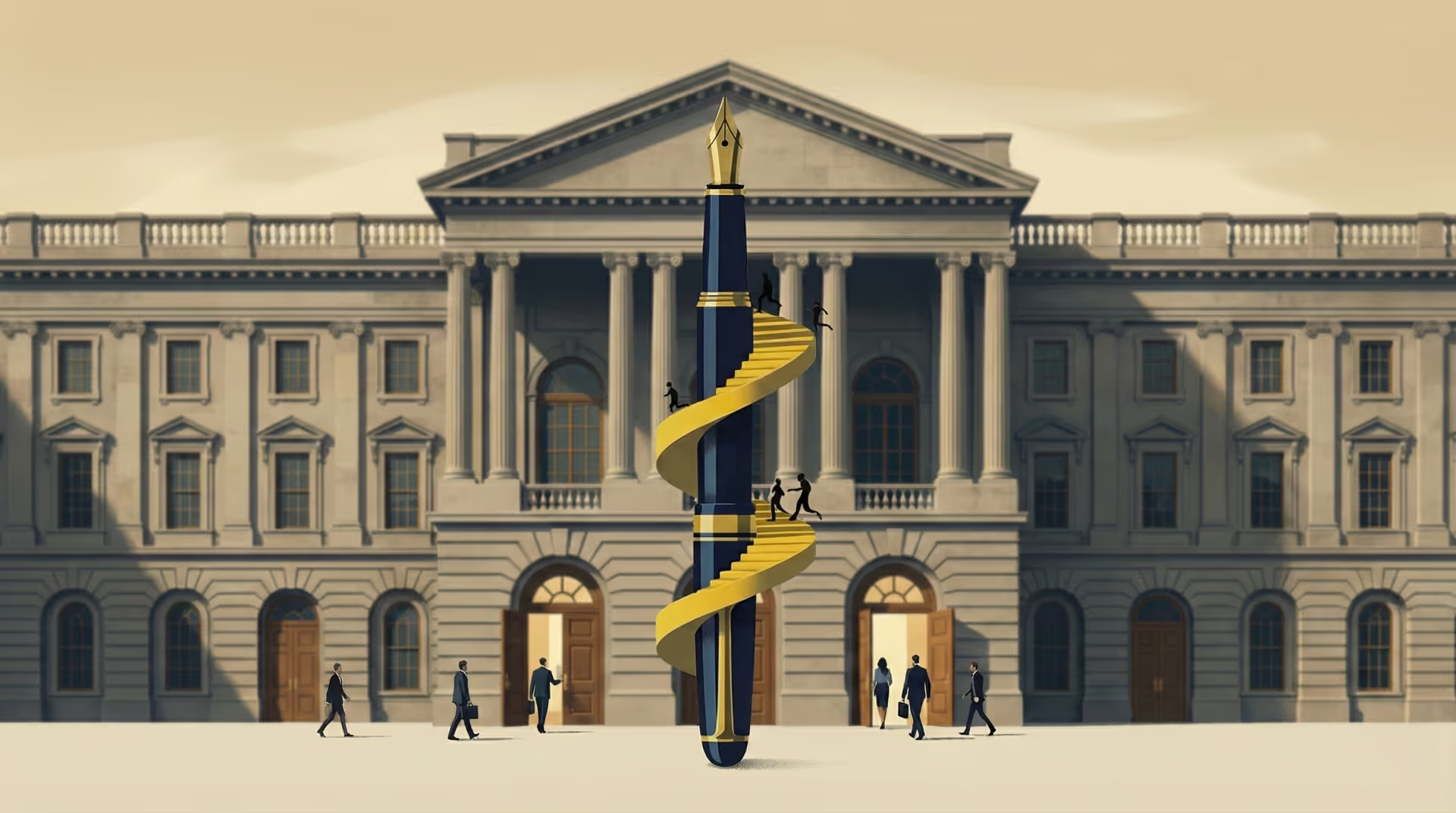
Policy is often imagined as a world of position papers, technical briefs, and stakeholder consultations. Yet anyone who has spent real time in this ecosystem knows that the most decisive moments rarely come from what is written on paper. They emerge in conversations, in atmospheres, in subtle shifts of tone or body language that can alter the direction of a meeting. Over the years, I have come to believe that what truly defines a successful policy professional is not only technical mastery but also the ability to sense, interpret, and act upon the invisible currents shaping the environment.
For me, it begins with what I call Reading the Air - the ability to register atmospheres before words are spoken. This is not just about seeing who is in the room but noticing the unspoken dynamics that shape how discussions unfold. More often than not, the real story lies in what is not said. Adding context awareness here - understanding the organizational, cultural, or political backdrop, can dramatically change how a professional interprets these cues.
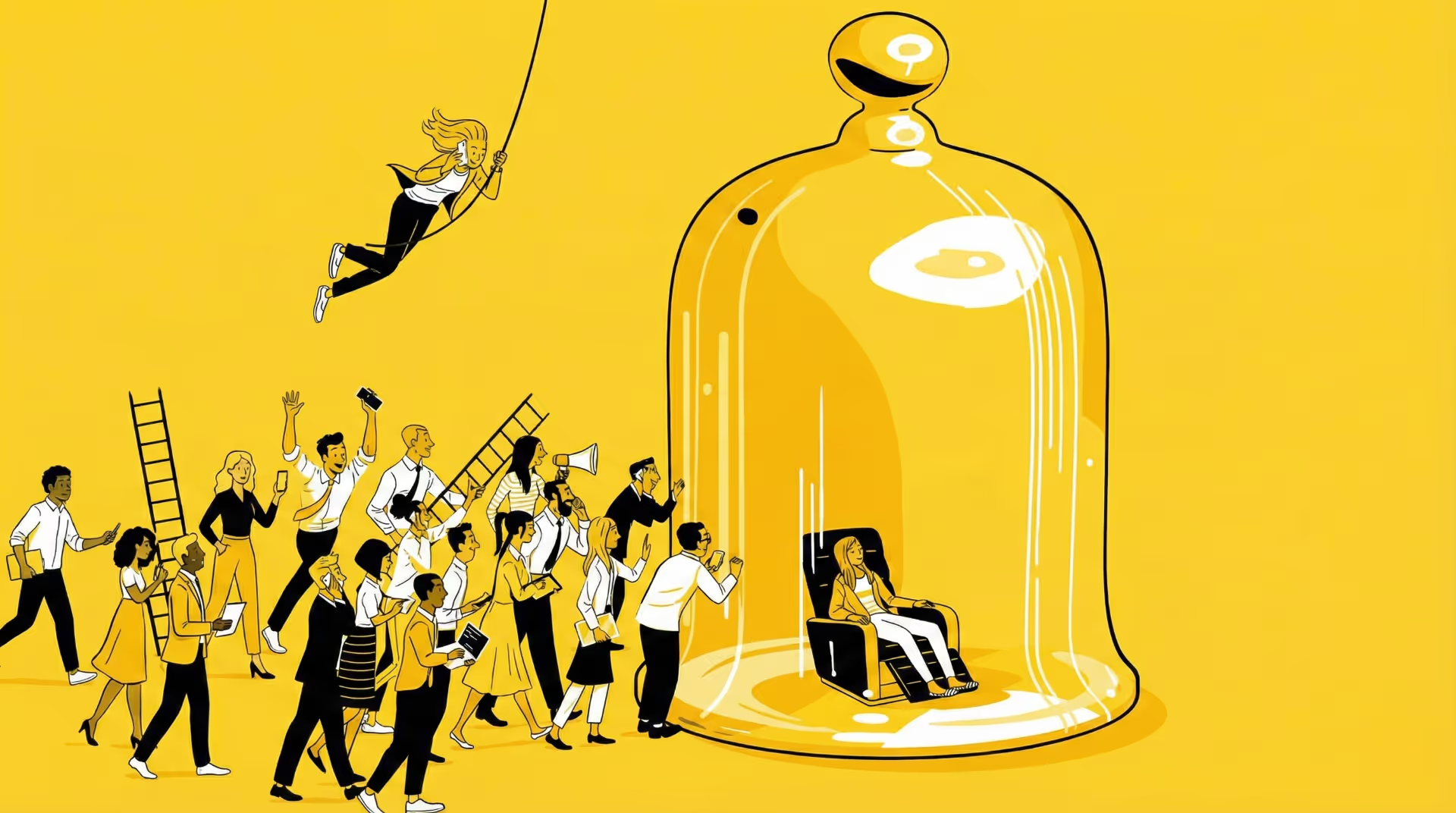
Intuition is another dimension. Too often dismissed as guesswork, I see it instead as the work of an instinctive compass - the sum of countless observations and patterns absorbed over time. When we say someone “saw it coming,” it is rarely luck. It is the ability to connect dots in the background, sense shifts before they become visible, and anticipate outcomes others miss. Curiosity fuels this intuition: the more we read, observe, and engage with diverse perspectives, the sharper our instincts become.
Then there is the relational layer. Policy rarely moves on arguments alone; it flows through networks of trust and credibility. The quiet ability to know when to lean in, when to hold back, and when to nurture alliances away from the spotlight is part of what I think of as an invisible toolkit, not formal skills, but instincts that shape outcomes in subtle, lasting ways. And guiding these instincts with a strong ethical compass ensures that influence is sustained by trust, not just power.
Ultimately, what binds these instincts together is adaptability. Technical knowledge may open doors, but it is the intuitive, relational, and anticipatory strengths that sustain influence over time. These are the qualities that allow policy professionals to navigate uncertainty with confidence, anticipate shifts before they surface, and build trust that endures beyond transactions. Resilience - the ability to learn from misreads or setbacks and recalibrate quickly, is what turns instinct into lasting capability.
Public policy, to me, is not only a science of systems but also an art of instincts. And while these instincts are rarely taught in classrooms, they can be cultivated by anyone willing to pay close attention - to people, to atmospheres, and to the silences in between.
So, to the students who often ask me about skills for a career in policy: yes, sharpen your technical knowledge, but also train your instincts. Learn to read the room, connect the dots before others see them, and build trust that outlasts transactions. Cultivate curiosity, respect context, and ground your decisions in ethics. These are the qualities that will not only set you apart but also sustain your influence in the long run.
(The opinions expressed in this article are solely my own and do not reflect the views of my employer or any affiliated organization.)