December 16, 2025
Articles
In public policy, we often pride ourselves on objectivity, evidence, and the rigor of data-driven analysis. We scrutinize regulations, dissect legislation, and build advocacy strategies grounded in facts. Yet, there is an often-overlooked dimension that can make or break a policy initiative: the political mindset.
I have learned, through years of navigating the corridors of policymaking, that understanding policy is only half the equation. The other half - the subtler, more intricate one is understanding the people who create it. Ministers, senior officials, and political leaders do not operate in a vacuum. Their decisions are calibrated to balance competing interests, respond to constituent pressures, and, sometimes, navigate broader geopolitical realities. To truly advance public policy goals, professionals like us must be able to step into that world.
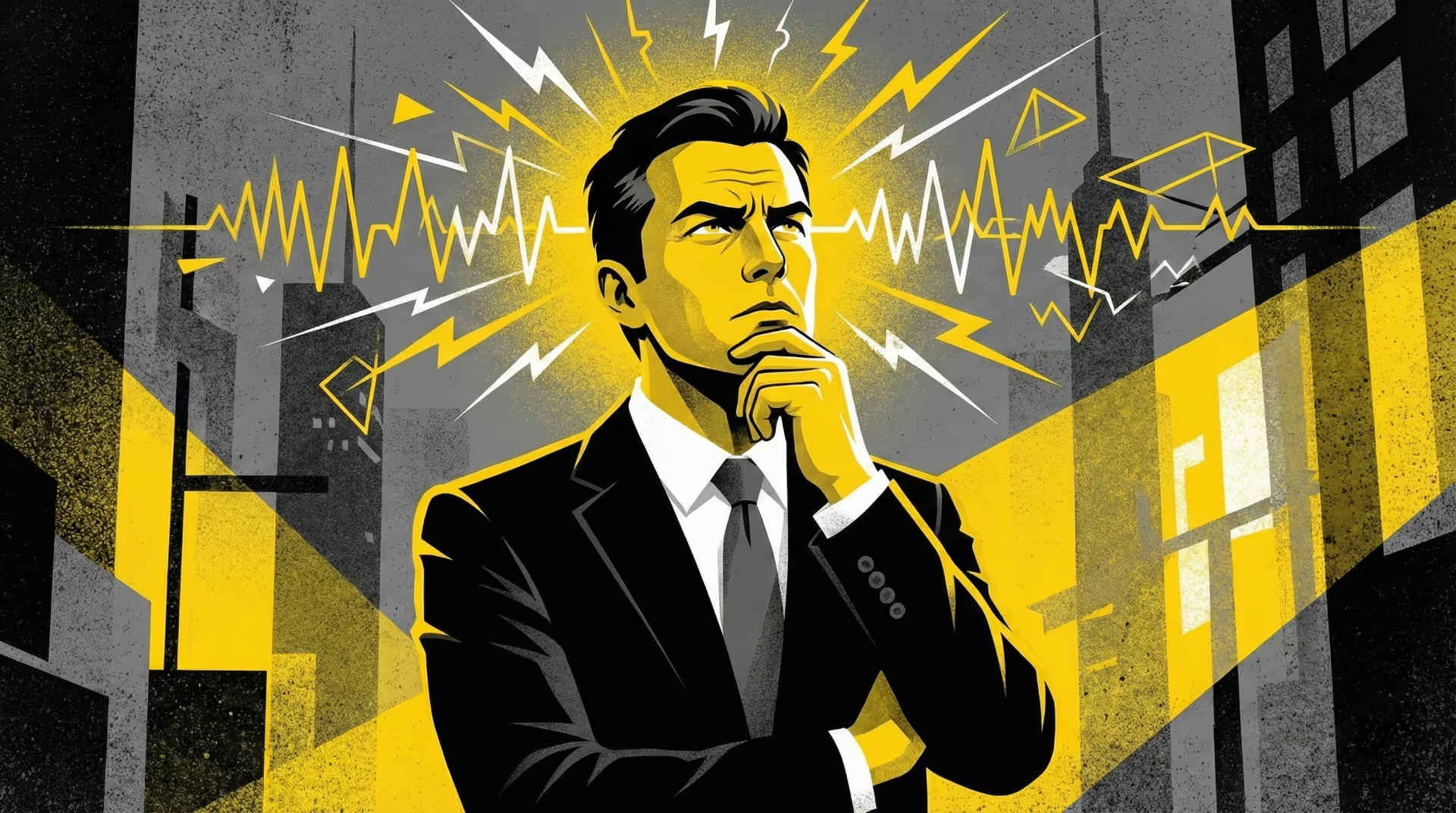
Thinking like a politician does not mean compromising on principles or chasing popularity. It means recognizing that every policy decision carries a matrix of incentives, constraints, and perceptions. It is about anticipating the concerns of decision-makers, understanding their priorities, and framing proposals in ways that resonate with both logic and strategic timing. Sometimes, a policy that is technically perfect might fail simply because it does not align with a minister’s immediate objectives or the political climate in which they operate.
In my experience, adopting this perspective has transformed how I approach policy advocacy. It is not enough to present a well-structured case; I must consider: what does this mean for the leader’s broader agenda? How does it address their immediate pressures? What story can I tell that connects the policy objective to outcomes they care about? This political lens allows me to design interventions that are not only evidence-based but also feasible, actionable, and compelling to those who ultimately hold the levers of decision-making.
The nuance lies in balance. Thinking like a politician should complement, not dilute, the analytical rigor of a policy professional. It encourages empathy for the decision-making environment, strategic framing of arguments, and a deeper understanding of why certain policies succeed while others stall. It’s an intellectual agility that helps navigate complexity without losing sight of the intended public benefit.
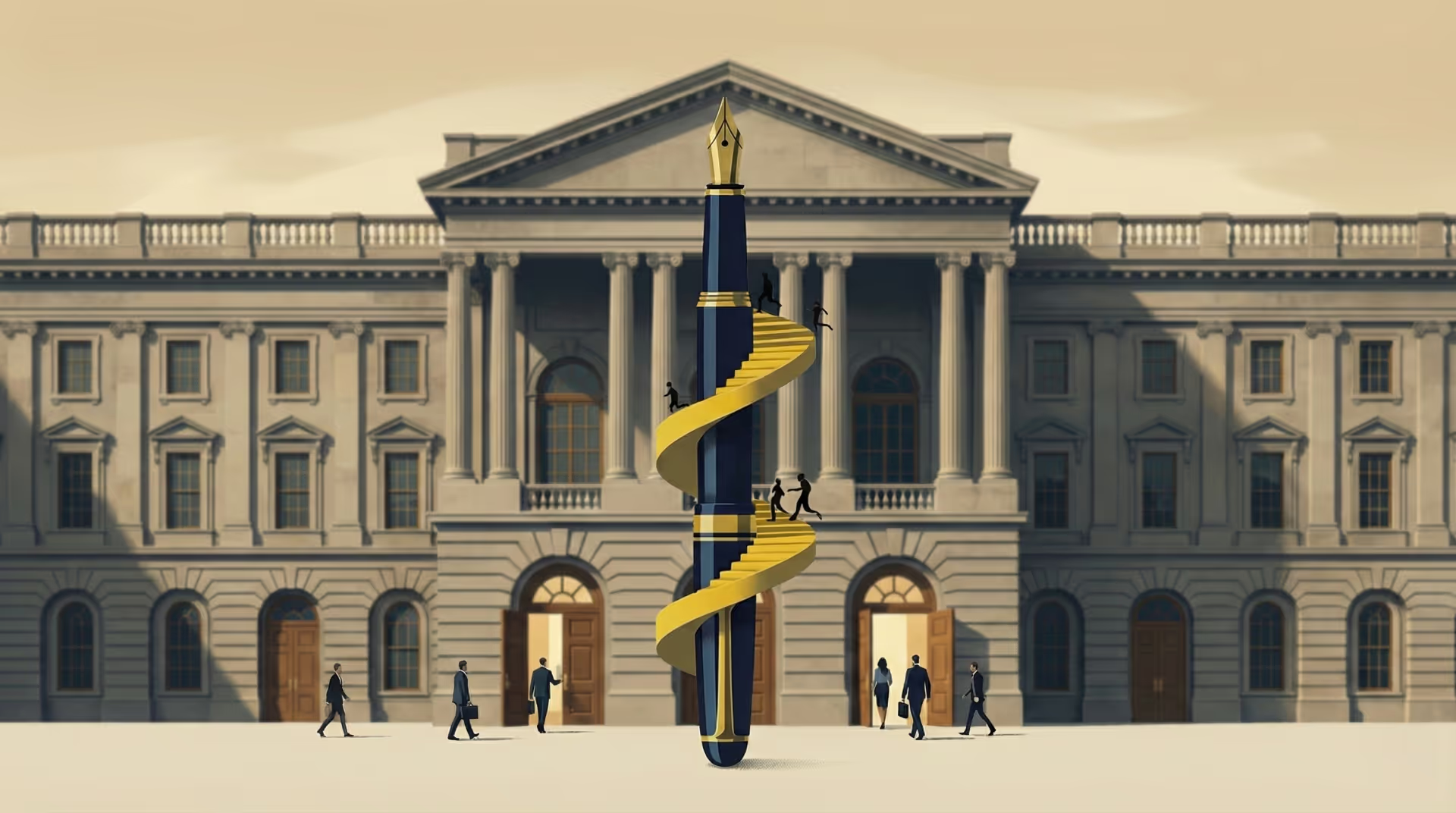
Ultimately, being able to think like a politician is a tool, not a shortcut. It enables us to bridge the gap between ideas and implementation, between evidence and action. In a world where policy outcomes are often as much about perception as they are about logic, this mindset can be the difference between a concept that remains a memo on a desk and one that transforms into tangible, impactful change.
For those of us committed to shaping public policy, cultivating this dual lens - analytical rigor paired with political acuity, is not optional. It is essential. Because in the end, the most effective policy is not just well-designed; it is well-received, well-understood, and well-executed. And to achieve that, sometimes, we need to think like the people who hold the power to make it real.
(The opinions expressed in this article are solely my own and do not reflect the views of my employer or any affiliated organization.)